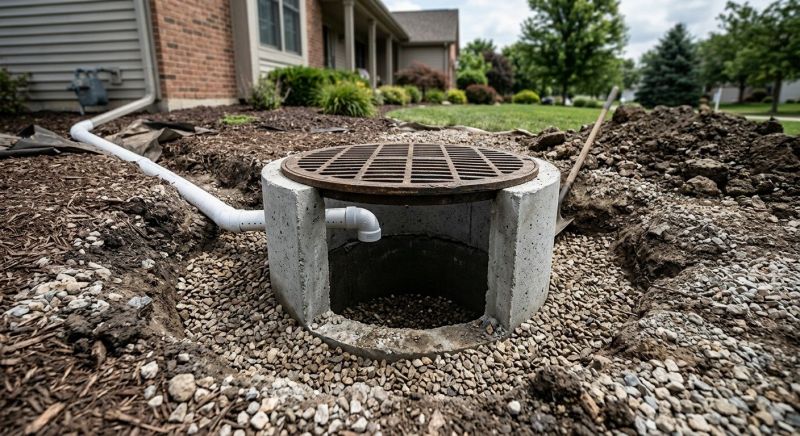
Dry Well Installation in Birmingham, AL
Dry well installation services provide a practical solution for managing excess water on residential properties. A dry well is an underground structure designed to collect and disperse stormwater runoff, helping prevent pooling, erosion, and water damage around the foundation. These systems are commonly used in projects such as improving drainage for yards, managing roof runoff, or addressing drainage issues in areas with poor soil absorption. Property owners considering a dry well typically want to understand how it integrates with existing drainage systems, the materials used, and the overall impact on their landscape and property stability.
Before requesting dry well installation, homeowners often seek information about site suitability, including soil conditions and the proximity to underground utilities. It's also helpful to understand the size and capacity of the dry well needed for specific drainage requirements, as well as any local regulations or permits that may apply. Clear communication about the intended use, property layout, and water flow patterns can assist in planning an effective system that ensures proper drainage and helps protect the property from water-related issues.
Many property owners in Birmingham, AL look into Dry Well Installation for repairs, replacements, upgrades, and appearance-related improvements.
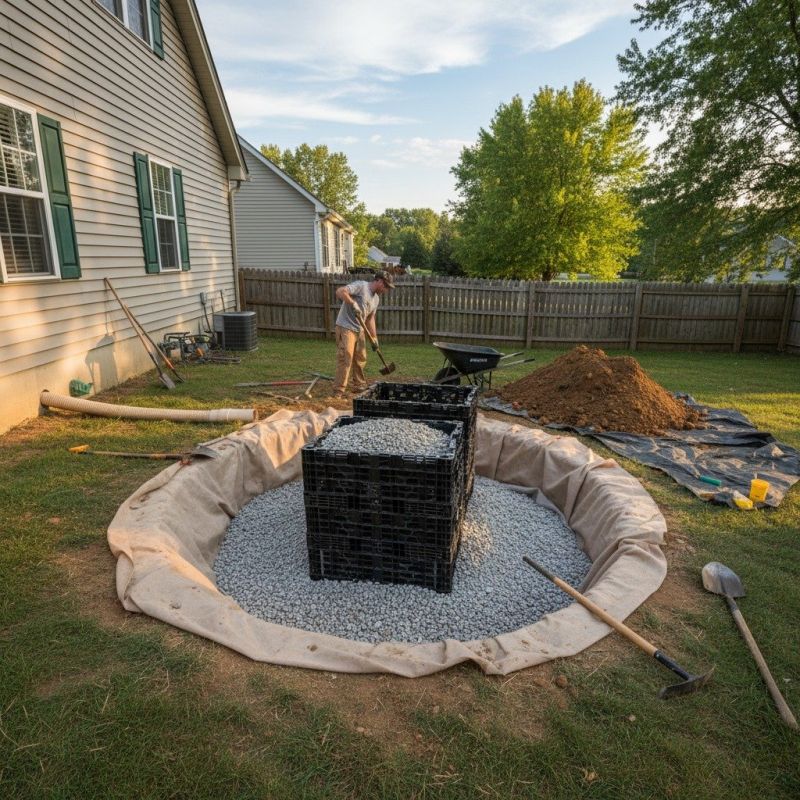
Purpose Of Dry Wells
Dry wells help manage excess rainwater and prevent flooding on residential properties.
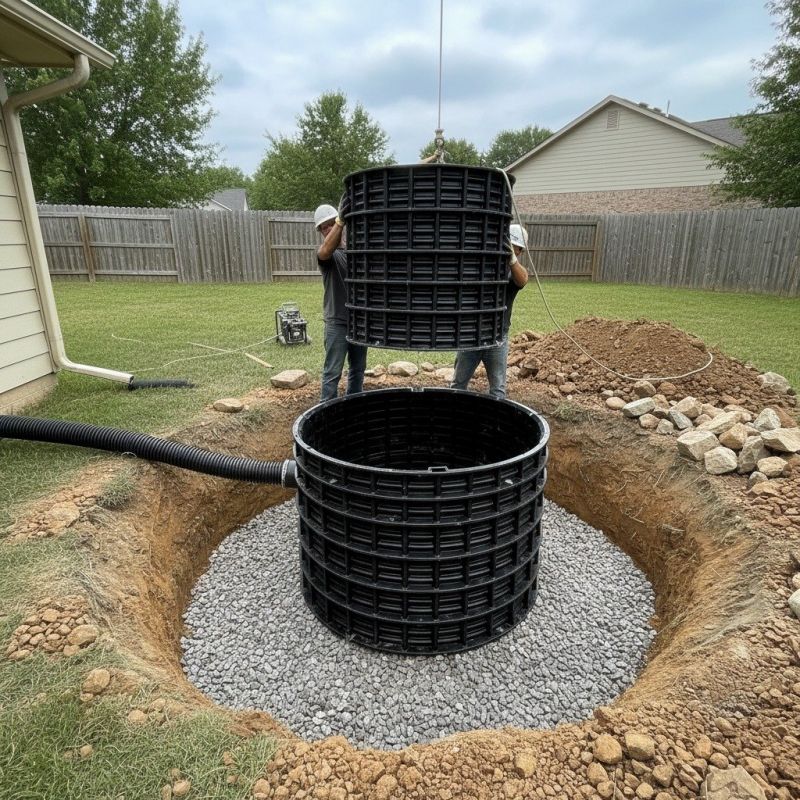
Common Installation Projects
They are often installed to improve drainage around foundations, driveways, and landscaped areas.
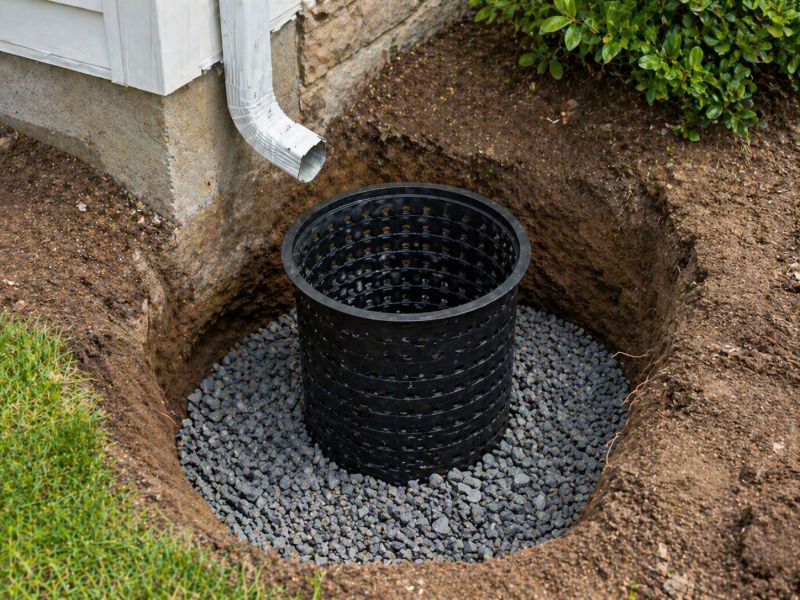
Benefits For Property Owners
Properly installed dry wells can reduce water pooling and protect property structures in birmingham, al.
Dry Well Installation in Birmingham, AL
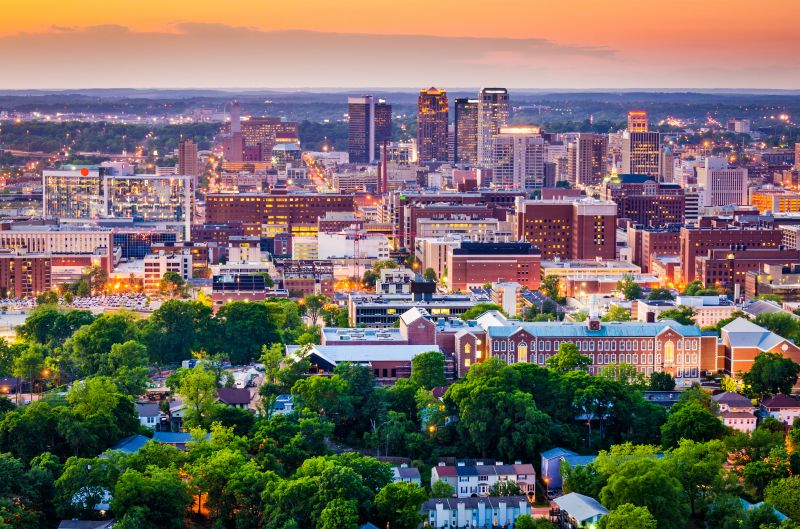
Dry well installation services provide a practical solution for managing excess water on residential properties. A dry well is an underground structure designed to collect and disperse stormwater runoff, helping prevent pooling, erosion, and water damage around the foundation. These systems are commonly used in projects such as improving drainage for yards, managing roof runoff, or addressing drainage issues in areas with poor soil absorption. Property owners considering a dry well typically want to understand how it integrates with existing drainage systems, the materials used, and the overall impact on their landscape and property stability.
Before requesting dry well installation, homeowners often seek information about site suitability, including soil conditions and the proximity to underground utilities. It's also helpful to understand the size and capacity of the dry well needed for specific drainage requirements, as well as any local regulations or permits that may apply. Clear communication about the intended use, property layout, and water flow patterns can assist in planning an effective system that ensures proper drainage and helps protect the property from water-related issues.
Many property owners in Birmingham, AL look into Dry Well Installation for repairs, replacements, upgrades, and appearance-related improvements.
Common Dry Well Installation Jobs
Dry Well Installation - helps manage excess water runoff from roofs and driveways.
Drainage System Setup - directs groundwater away from foundations to prevent flooding.
Stormwater Management - reduces water pooling during heavy rains through effective drainage solutions.
Property Drainage Improvement - minimizes erosion and water damage on residential landscapes.
Water Diversion Solutions - safely redirects surface water to prevent basement flooding.
Drainage System Maintenance - ensures dry wells function properly over time for reliable water disposal.
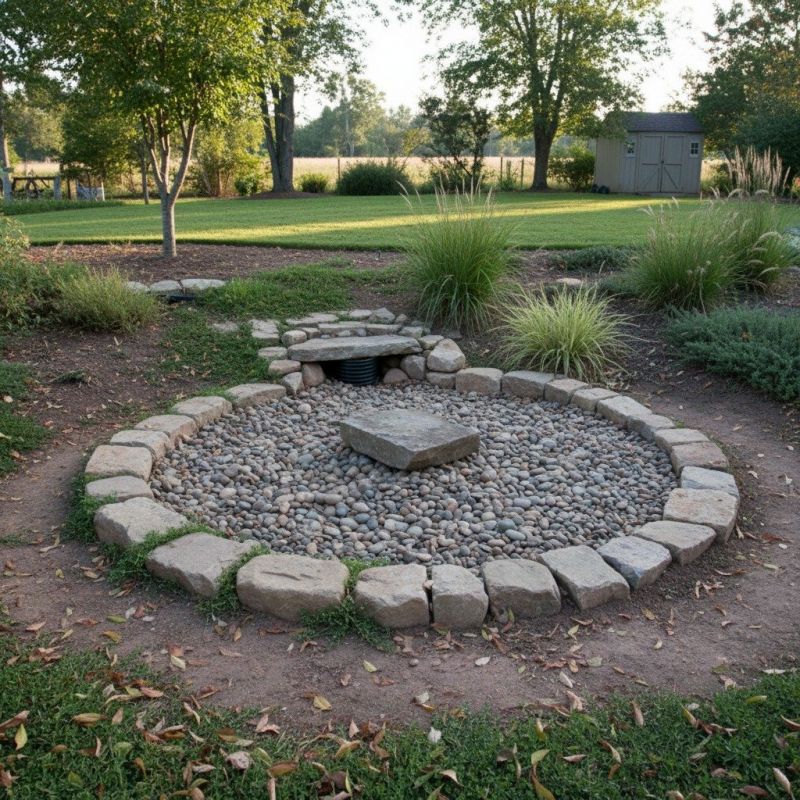
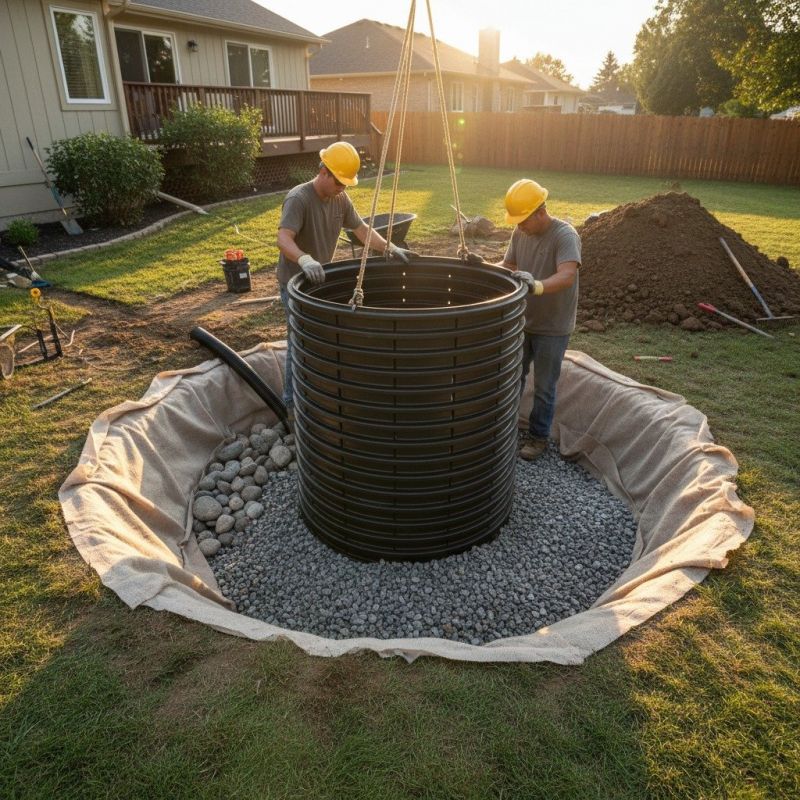
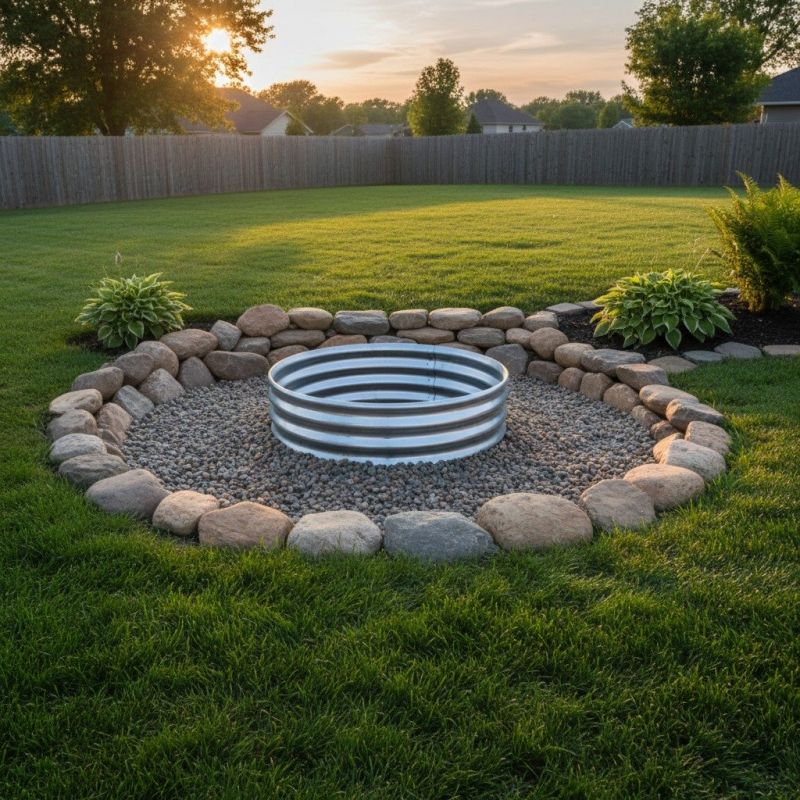
Dry Well Installation Questions
What is a dry well? A dry well is an underground structure that disperses excess water safely away from a property, preventing flooding and water damage.
When is a dry well needed? Dry wells are often used when drainage systems are insufficient for managing stormwater runoff or when directing water away from foundations.
How does a dry well work? It collects water from sources like gutters or sump pumps and allows it to seep into the ground gradually, reducing surface water accumulation.
What types of projects typically require a dry well? They are commonly installed for residential drainage, yard flooding issues, or to manage water from large roof areas and driveways.
Request Dry Well Installation in Birmingham, AL
Use the quote form on this page to share the basics of your project and request more information for the type of work you need.